
The Role of Nutrition in Maintaining Bone & Spine Health
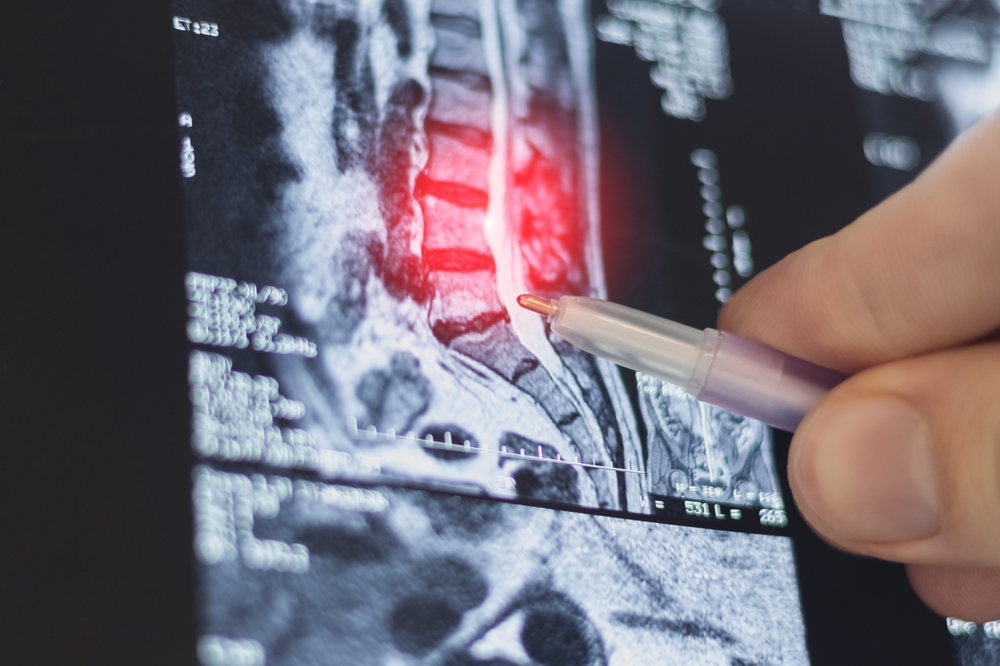
Healthy bones and a strong spine are the foundation of mobility, balance, and a pain-free life. While posture, exercise, and ergonomics play a major role, nutrition is the core fuel that keeps your bones dense, your discs hydrated, and your spinal muscles strong.
Poor nutrition weakens the vertebrae, accelerates disc degeneration, and increases the risk of early spondylosis, slip disc, osteoporosis, spinal stenosis, and chronic back pain.
This detailed guide—based on modern spine care principles—explains how nutrition affects your bone and spinal health and what you can do to strengthen it.
Causes of Poor Bone & Spine Health (Nutrition-Related)
Spine and bone weakening often begins silently. Here are the most common nutritional causes seen in clinical practice:
- Calcium Deficiency:-Calcium is the building block of bones. Chronic deficiency leads to osteoporosis, repeated fractures, and constant back pain.
- Vitamin D Deficiency:-Vitamin D helps the body absorb calcium. Low levels cause soft bones, muscle weakness, spine tenderness, and fatigue—extremely common in India.
- Low Magnesium & Vitamin K2:-These convert calcium into strong bone tissue. Deficiencies lead to brittle bones, early disc degeneration, and slow healing after injuries.
- Poor Protein Intake:-Protein strengthens the bone matrix and spinal muscles. Low protein means weak muscles, weak bones, and early spondylosis.
- Inflammatory Diet:-Processed food, junk food, sugary items, and fried snacks increase inflammation in discs and joints, worsening back pain.
- Dehydration:;-Spinal discs are 70% water. Inadequate water causes disc shrinkage, early degeneration, and stiffness.
- Excess Caffeine, Alcohol & Smoking:-These reduce calcium absorption and accelerate bone loss.
- Hormonal Imbalances Due to Poor Diet:-Unhealthy food patterns disturb hormones like estrogen & cortisol, affecting bone remodeling and spinal strength.
Warning Signs of Weak Bone & Spine Health
These symptoms indicate poor nutritional support to bones and spine:
- Frequent back or neck pain
- Poor posture, rounded shoulders
- Fatigue and low energy (common in Vitamin D deficiency)
- Muscle cramps or spasms
- Joint stiffness and pain
- Slow healing of minor injuries
- Recurrent stress fractures
- Height reduction with age (disc dehydration + bone thinning)
If these symptoms persist, nutritional correction is essential.
prevention: Nutritional Strategies for Strong Bones & a Healthy Spine
- Daily Calcium Intake (1000–1200 mg/day):-Include:
- Milk, curd, paneer
- Ragi (nachni)
- Almonds, sesame seeds
- Broccoli & leafy greens
- Optimize Vitamin D Levels
- 15–20 minutes of sunlight daily
- Egg yolk, mushrooms, fatty fish
- Vitamin D supplements (if needed, under medical guidance)
- Increase Magnesium Intake
- Pumpkin seeds
- Spinach
- Bananas
- Oats, cashews
- Add Vitamin K2:-Essential for proper calcium utilization.
- Fermented foods
- Curd and paneer
- Green leafy vegetables
- Ensure Adequate Protein:-Protein builds bones and strengthens spinal muscles.
Include: eggs, pulses, soya, chicken, dairy products.
- Hydrate Well:-Drink 2–3 liters of water per day to maintain disc hydration.
- Include Omega-3 Fatty Acids:-Reduces inflammation and supports disc health.
Sources:
- Flaxseeds
- Walnuts
- Chia seeds
- Fish, Fish oil
- Reduce Sugar, Processed & Fried Foods:-These accelerate inflammation and contribute to early disc degeneration.
- aintain Healthy Weight:-Every extra kg increases load on spinal discs and joints.
- Limit Caffeine & Alcohol:-No more than 1–2 cups of tea/coffee a day.
Treatment: Nutritional + Medical Approach for Spine & Bone Problems
- Correct Underlying Deficiencies:-A spine specialist may recommend:
- Calcium supplements
- Vitamin D3 correction
- Magnesium supplementation
(Only after proper medical evaluation)
- Anti-Inflammatory Diet:-Include:
- Turmeric, ginger
- Berries, fruits
- Green vegetables
- Whole grains
This helps reduce inflammation in discs and joints.
- Nutrition + Exercise for Spine Strengthening:-Nutrition must work together with exercise. Prefer:
- General Conditioning Exercises (like Brisk walking: 3-4 Kms in 30-40 Minutes)
- Free Style Swimming
- Yoga postures like Bhujangasana & Setu Bandhasana
- Improve Gut Health:-A healthy gut absorbs nutrients better.
Include: curd, fermented foods, high-fiber vegetables.
- Natural Supportive Remedies (Only as supportive, not primary)
- Ashwagandha – improves bone density & reduces stress
- Hadjod – supports fracture healing
- Moringa – rich in calcium & antioxidants
- Posture + Ergonomics Along with Nutrition
- Correct sitting height to keep feet flat on the floor
- Upright posture, with good lumbar support
- Avoid long sitting hours
- Stand up, stretch, or walk every 30–45 minutes
- Medical Treatment (If Required);-For severe degeneration or osteoporosis:
- Physiotherapy
- Pain-relief medication
- Hormonal therapy (post-menopause)
Surgery (only in advanced cases when conservative care fails)
Conclusion
Nutrition is the backbone of bone and spine health.
A diet rich in calcium, Vitamin D, magnesium, protein, omega-3s, and proper hydration dramatically reduces the risk of slip disc, osteoporosis, spondylosis, and chronic back pain.
Paired with:
✔ Regular exercise
✔ Correct posture
✔ Good ergonomics
✔ Timely specialist care
ensures long-term spinal strength, mobility, and a pain-free lifestyle.