
Hidden Causes of Sciatica That Patients Often Ignore
Causes, Prevention & Treatment
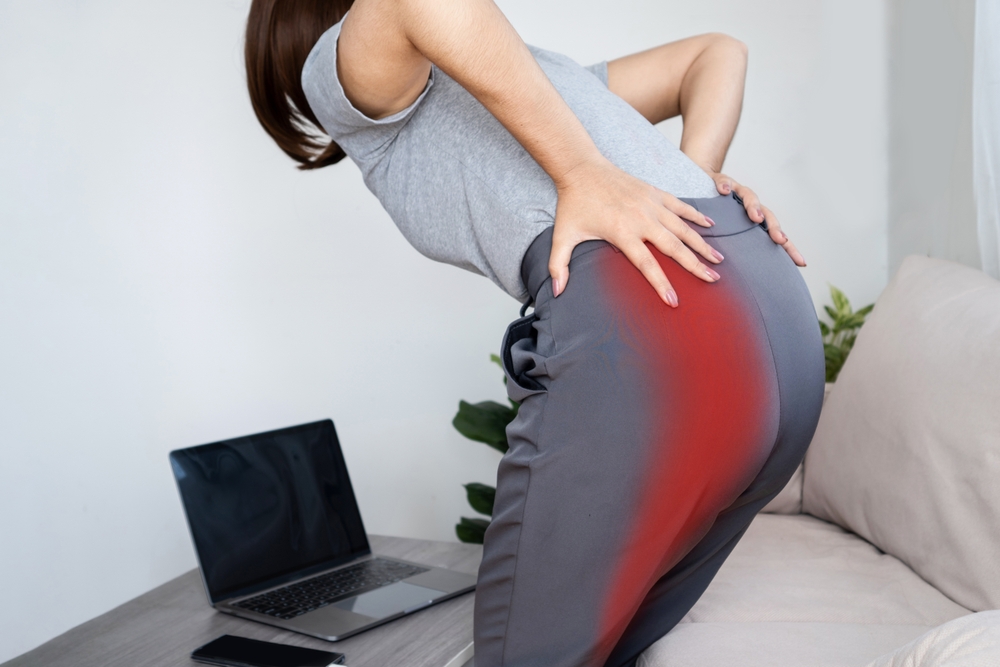
Sciatica is often mistaken as simple back pain. In reality, it’s a symptom caused by irritation or compression of the sciatic nerve. This leads to pain, tingling, or numbness radiating from the lower back down the leg.While slipped discs are a common cause, many hidden triggers are often overlooked—leading to delayed recovery.
Additionally, prolonged sitting, poor posture, muscle imbalances, and lack of physical activity can further aggravate the sciatic nerve, making the pain more frequent and intense. Ignoring early symptoms or relying only on temporary relief methods can worsen the condition over time. Early diagnosis, proper posture correction, targeted exercises, and timely medical guidance play a crucial role in managing sciatica effectively and preventing long-term complications.
👉 Don’t ignore the signs—early care can save you from long-term pain and serious complications.
👉 Remember: Sciatica is not just pain—it’s a warning sign that your spine needs attention.
Hidden Causes of Sciatica Patients Often Ignore
- Piriformis Syndrome:-
Tight or inflamed piriformis muscle compresses the sciatic nerve. Pain worsens with sitting, stairs, or long drives—even when spine scans look normal.
2. Prolonged Sitting & Poor Posture:-
Long sitting compresses discs and irritates nerves. Slouching and unsupported chairs increase spinal stress over time.
- Muscle Imbalance & Weak Core:-
Weak core and glutes fail to support the spine. Tight hamstrings and hip flexors add extra strain on nerves.
- Degenerative Disc Changes:-
Aging discs lose height and flexibility. This reduces space for nerves, causing gradual sciatica symptoms.
- Spinal Stenosis:-
Narrowing of spinal canal puts pressure on nerves. Pain often improves when bending forward or sitting.
- Sacroiliac (SI) Joint Dysfunction:-
SI joint issues can mimic sciatica pain. Usually one-sided pain that worsens while standing or shifting weight.
- Old Injuries or Trauma:-
Past injuries may affect alignment or muscle function. Pain can appear years later and is often overlooked.
8. Excess Body Weight:-
Extra weight increases pressure on the spine. It also worsens posture and nerve compression.
- Incorrect Lifting:-
Poor lifting technique strains discs and muscles. Twisting while lifting is a common trigger.
- Stress & Muscle Tightness:-
Stress causes muscle tension in the back and hips. This can worsen or trigger nerve irritation.
Prevention Tips
- Sit with proper posture
- Take breaks from long sitting
- Stretch hips and hamstrings
- Strengthen core muscles
- Lift weights correctly
- Maintain healthy weight
- Manage stress
Treatment Options
Conservative Care
- Rest and activity changes
- Physiotherapy
- Pain relief medicines
- Heat or cold therapy
- Posture correction
Advanced Non-Surgical Care
- Injections
- Manual therapy
- Nerve-focused rehab
Surgery (Rare Cases)
- Severe pain
- Progressive weakness
- Loss of bladder/bowel control
When to See a Doctor
- Pain lasts weeks
- Symptoms worsen
- Numbness or weakness
- Daily activities affected
Final Thoughts
Sciatica is not just a disc problem. Many hidden causes can silently worsen nerve irritation.
Identifying the real cause is key to recovery. With early care and simple lifestyle changes, most people can recover without surgery.
Don’t ignore the signs—your body is giving you early warnings.