
Strengthen Your Spine Naturally: Best Exercises, Stretches & Prevention Tips Backed by Expert Care
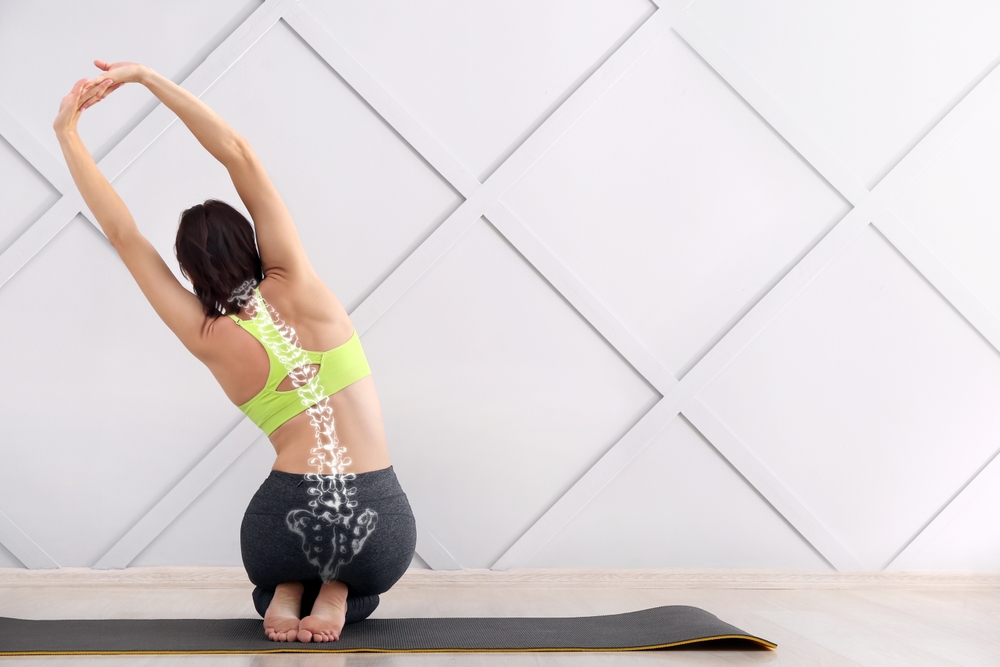
Your spine is the central support system of your body — it helps you stand, bend, walk, lift, and protects your spinal cord.
But today’s lifestyle—sedentary routine, long sitting hours, weak core, poor posture, minimal physical activity—has led to a sharp rise in back and neck problems.Here’s the good news:
95% of spine problems can be treated without surgery when diagnosed early and managed correctly with conservative care.
This comprehensive guide will help you understand:
- Causes of spine stiffness & weakness
- Symptoms you should never ignore
- Prevention strategies based on modern ergonomics
- Effective exercises and stretches
- When to seek medical help
- Evidence-based conservative treatments
Common Causes of Spine Weakness & Stiffness
Based on real clinical cases of slip disc, sciatica, spondylosis, and spinal stenosis, the major contributors include:
- Sedentary Lifestyle (Sitting is the new smoking):-Prolonged sitting increases spinal load, accelerates disc degeneration, and weakens core muscles.
- Poor Posture:-Forward head posture, slouching, and wrong workstation ergonomics strain your cervical and lumbar spine.
- Weak Core & Back Muscles:-A weak core fails to support the spine, causing imbalances and chronic back pain.
- Age-Related Degeneration:-With age, spinal discs lose hydration, flexibility, and height — leading to stiffness and spondylosis.
- Sudden Jerks, Injuries or Wrong Lifting:-Incorrect lifting, minor falls, or sudden twisting can trigger a slip disc or nerve compression.
- Obesity:-Extra body weight increases pressure on spinal discs, causing early wear and tear.
- Tight Muscles:-Tight hamstrings, hip flexors, and glutes restrict mobility, increasing pressure on the lower back.
Common Symptoms of a Weak or Stiff Spine
These symptoms are commonly seen in sciatica, slip disc, spondylosis, and spinal stenosis:
- Pain in back or neck (worsens after long sitting/standing)
- Stiffness or difficulty bending/twisting
- Reduced mobility
- Uneven shoulders / forward head posture
- Fatigue due to muscle imbalance
- Tingling, numbness, radiating pain — red flag signs of nerve compression
If pain travels to arms or legs, consult a spine specialist immediately.
Prevention Tips for a Healthy Spine (As per modern spine care)
- Maintain Proper Posture:-Use lumbar support, keep screens at eye level, avoid slumping.
- Take Short Breaks Every 30–40 Minutes:-Movement reduces pressure on spinal discs.
- Strengthen Your Core:-A strong core protects the spine and prevents future injuries.
- Stay Physically Active:-Prefer:
- Brisk walking
- Freestyle swimming
- General conditioning exercises
- Choose a Medium-Firm Mattress & Proper Pillow:-Alignment is crucial for long-term spine health.
- Maintain a Healthy Weight:-Less weight = less load on the spine.
- Lift Correctly:-Bend your knees, keep your back straight, avoid twisting while lifting.
Best Exercises for a Strong, Stable Spine
- Cat–Cow Stretch:-Improves spinal mobility and reduces stiffness.
- Bird Dog:-Strengthens core and stabilizes the lumbar spine.
- Pelvic Tilt:-Relieves lower-back tightness and activates deep core muscles.
- Bridge Pose:-Strengthens glutes and hamstrings — essential for lumbar support.
- Plank:-Builds overall core stability and improves posture.
- Superman:-Strengthens back extensors and improves spinal extension.
- Wall Angels:-Excellent for correcting upper-back posture and opening the chest.
Best Stretches for a Flexible Spine
- Child’s Pose – relaxes lower back
- Seated Forward Bend – stretches hamstrings & spine
- Cobra Stretch – strengthens back extensor muscles
- Spinal Twist – improves rotation & mobility
- Hip Flexor Stretch – reduces stress on lumbar spine
Conservative Treatment Options (Non-Surgical)
As emphasized by Dr. Jitesh Manghwani, 95% of spine patients recover without surgery.
- Physiotherapy:-Includes strengthening, stretching, mobilization, and posture training.
- Pain Management:-Short-term anti-inflammatory & neuropathic medications (only under supervision).
- Image-Guided Injections:-Nerve root blocks and epidural injections — effective when used appropriately.
- Chiropractic / Osteopathic Care:-Only if advised by a spine specialist.
- Hydrotherapy;-Warm-water exercises help mobility with reduced load.
- Lifestyle & Ergonomic Corrections:-The root cause of pain must be addressed for long-term relief.
When to Seek Immediate Medical Help? (Red Flags)
Consult a spine specialist urgently if you have:
- Sudden or progressive weakness in arms or legs
- Numbness in saddle area (inner thighs, buttocks)
- Loss of bladder or bowel control — medical emergency
- Severe pain after minor fall/bend — possible fracture
- Night pain that doesn’t improve
- Rapidly increasing spinal deformity
- Fever or unexplained weight loss with back pain
These may indicate severe conditions like slipped disc with nerve compression, infection (including spinal TB), fracture, or tumor.
Conclusion
A strong and flexible spine is key to a pain-free, active life.
With the right exercises, proper posture, and timely lifestyle changes, most spine issues can be prevented or reversed.
If your pain persists beyond 2–3 weeks, affects mobility, or shows red flag symptoms — seek a spine specialist immediately.
Early diagnosis = Faster recovery + Lower risk of surgery