
Ergonomics at Home & Workplace: Protecting Your Spine the Right Way
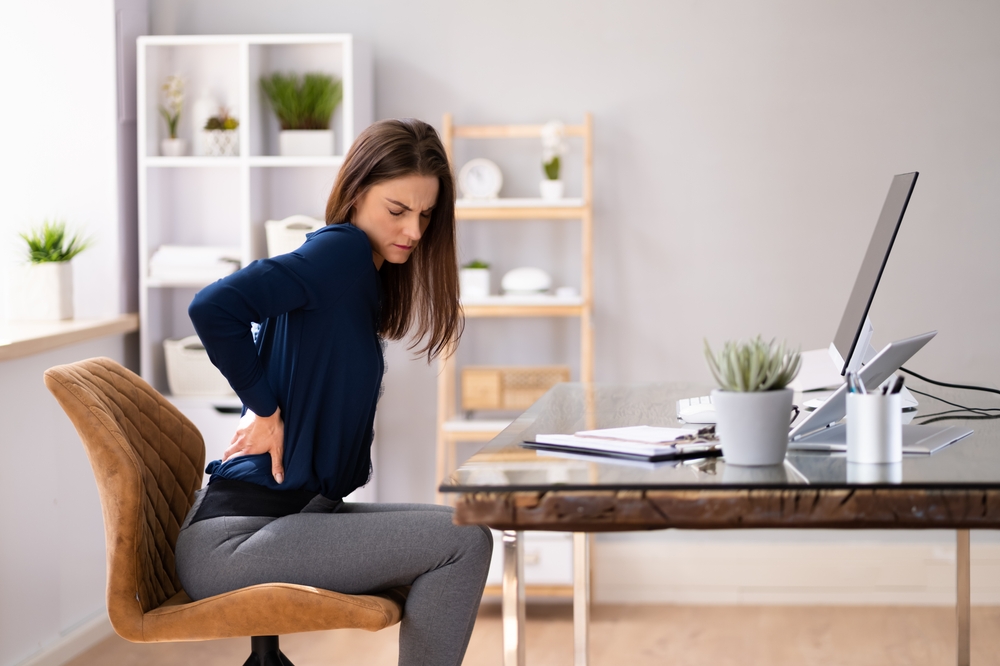
With long working hours, screen dependency, and reduced physical activity, spine-related problems have become increasingly common across all age groups.
The hidden culprit? Poor ergonomics.
Whether you’re sitting at work, studying at home, or sleeping on a soft mattress—subtle posture mistakes load the spine, strain the muscles, and gradually damage your discs and joints.
Over time, this leads to:
- Chronic back pain
- Neck stiffness
- Muscle imbalance
- Disc degeneration
- Reduced mobility
Understanding how daily habits affect your spine is the first step toward living pain-free.
How Poor Ergonomics Damage Your Spine
- Incorrect Sitting Posture:-Slouching, leaning forward, or sitting with a rounded back increases pressure on lumbar discs.Over time, this results in
- Disc bulge / herniation
- Muscle fatigue
- Early degeneration of spinal structures
- Prolonged Sitting or Standing:-Staying in one position for hours reduces blood supply to the spine, causing:
- Stiffness
- Inflammation
- Muscle imbalance
- Poor Desk or Computer Setup:-A low screen, a chair without lumbar support, or a wrong desk height forces abnormal posture—especially affecting the cervical and thoracic spine.
- Repetitive Movements:-Continuous typing, bending, lifting or twisting without proper technique creates micro-tears in muscles and ligaments.
- Sedentary Lifestyle:-Weak core muscles = unstable spine = higher risk of back pain.
- Incorrect Lifting Techniques:- Bending from the waist instead of the knees puts enormous pressure on spinal discs, increasing the risk of acute disc prolapse.
- Poor Sleeping Posture:-A very soft mattress, sleeping on the stomach, or using high pillows misalign the spine for hours and cause morning stiffness.
Symptoms of Spine Stress from Poor Ergonomics
- Localized or radiating back pain
- Neck pain & reduced mobility
- Tight shoulders & upper-back knots
- Tension headaches
- Numbness or tingling in arms/legs
- Fatigue & reduced productivity
- Limited flexibility & stiffness
If these symptoms worsen after long sitting or improper posture, ergonomics is the likely cause.
Prevention: Ergonomic Tips for Home & Workplace (As per modern spine care)
- Maintain a Neutral Spine
- Keep ears, shoulders & hips aligned
- Avoid slouching
- Use a chair with firm lumbar support
- Keep feet flat on the floor
- Create an Ergonomic Workstation
- Chair height: thighs parallel to the floor
- Elbows bent at 90 degrees
- Screen at eye level
- Use a laptop stand or external keyboard
- Follow the 40-Minute Rule
Every 40–50 minutes:
➡ Stand up
➡ Stretch
➡ Walk for 1–2 minutes
Movement keeps spinal discs hydrated and reduces stiffness.
- Strengthen Core and Back Muscles
Strong muscles support the spine and prevent overload. Best exercises:
- Planks
- Bridges
- Cat–Cow stretch
- Back extensions
- Practice Safe Lifting
- Bend knees, not the back
- Keep the object close to the body
- Avoid twisting motions
- Use both hands
- Improve Sleeping Ergonomics
- Medium-firm mattress
- Sleep on back or side
- Use a pillow that supports the neck’s natural curve
- Avoid Working from Bed or Sofa
Couches don’t support the spine properly—leading to cervical and lumbar strain.
- Use Ergonomic Accessories
- Lumbar cushions
- Footrests
- Ergonomic keyboard/mouse
- Standing desks
These promote alignment and reduce load on the spine.
Treatment: Managing Spine Issues Caused by Poor Ergonomics
- Physiotherapy
A physiotherapist helps correct posture and relieve pain through:
- Core Strengthening exercises
- Stretching
- Manual therapy
- Mobilization
- Heat/Cold therapy
- Posture retraining
- Chiropractic Care
Helps realign joints and reduce spinal pressure (only if advised by a spine specialist).
- Acupuncture
Useful for chronic stiffness and nerve compression by:
- Improving blood flow
- Relaxing deep muscle layers
- Reducing inflammation
- Medications (if Required)
A spine specialist may advise:
- Anti-inflammatories
- Muscle relaxants
- Short-term pain relievers
- Heat & Cold Therapy
- Heat – relaxes tight muscles
- Cold – reduces inflammation
- Medical Massage Therapy
Releases muscle knots and improves flexibility.
- Posture Correction Programs
Structured training to help you sit, stand, lift, and move correctly.
- Lifestyle Modifications
- Regular general conditioning exercises
- Healthy weight
- Controlled screen time
- Stress management
- When to See a Spine Specialist
Seek medical help if you notice:
- Persistent or worsening pain
- Pain radiating to arms/legs
- Tingling or numbness
- Weakness in limbs
- Loss of Bladder or Bowel Control
These may indicate disc or nerve involvement that requires timely diagnosis.
Conclusion
Ergonomics is a powerful yet often ignored pillar of spine health.
Incorrect posture, poor workstation setup, and long sitting hours are major contributors to chronic back and neck pain.
With proper posture, a supportive workspace, regular movement, and timely expert care, you can protect your spine, improve productivity, and live pain-free.